This report highlights recent initiatives advancing women’s health and empowerment, including education on menstrual and menopausal health, advocacy at the United Nations, and nationwide grassroots action. Together, these efforts underscore the importance of women’s participation in decision-making and the need to strengthen societal understanding of women’s health.
“Care for menstrual symptoms and menopausal disorders in a society where women play an active role.”
Since 2001, we have been holding lectures focusing on sexual issues among young women. Since 2019, we have started to cover not only sexual issues but also women’s health more broadly as the Women’s Health Support Project.
From March 1st to 8th, 2026, we streamed an online lecture series on YouTube. The lectures discussed how women’s health issues, such as menstrual symptoms and menopausal disorders, are impacting women’s empowerment. Dr. Momoeda emphasized the importance of improving social literacy regarding women’s health.
“Women Must Be at the Table”
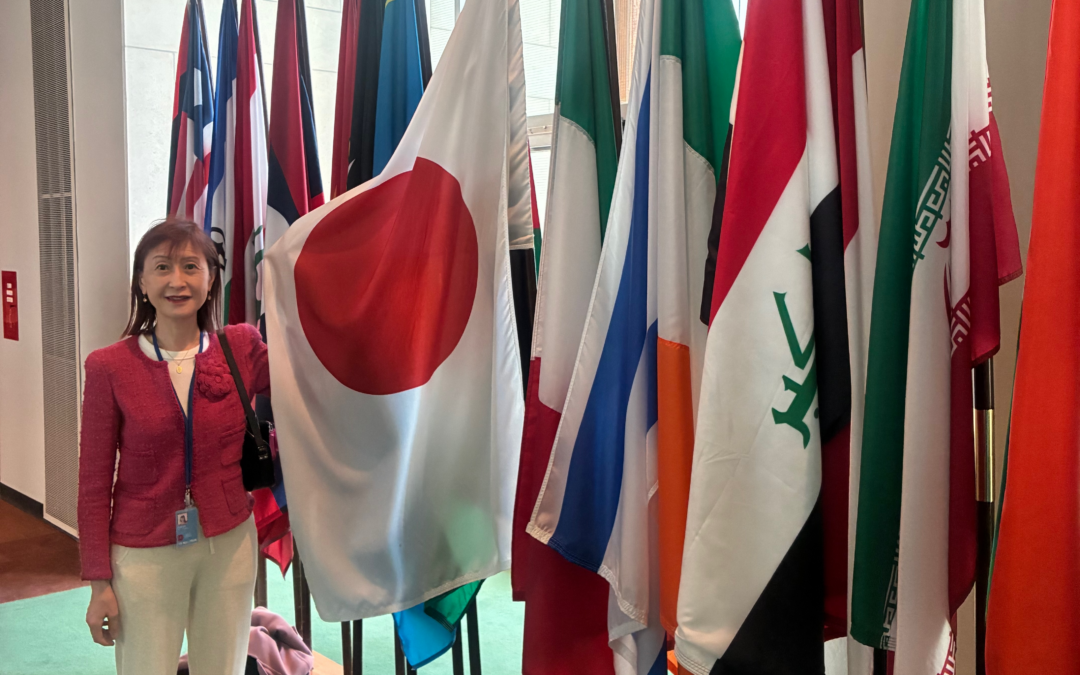
The International Women’s Year Liaison Group (IWYLG), of which the Japan Medical Women’s Association (JMWA) is a corporate member, held a side event at the United Nations on March 12th as part of CSW70. The panel discussion aimed to highlight the importance of women’s active participation in policymaking and decision-making processes, in relation to this year’s priority theme, “Ensuring and strengthening women’s access to justice.” It is available to watch on UN TV.
“Women’s Day Off” Action
IWYLG, led by Dr. Maeda, president of the JMWA, held a “Women’s Day Off” action on March 6th, featuring a screening of a documentary film “The Day Iceland Stood Still” about a large-scale women’s strike that took place in Iceland 50 years ago. Women were protesting about economic inequality and highlighting their indispensable role in society. By refusing to work, clean, or care for children, women brought the country to a standstill, leading to significant legislative action on pay equity and accelerating Iceland’s path toward becoming a global leader in gender equality. This screening was followed by a discussion event. 56 people participated. More than 400 such actions were held throughout Japan, making it a nationwide movement.
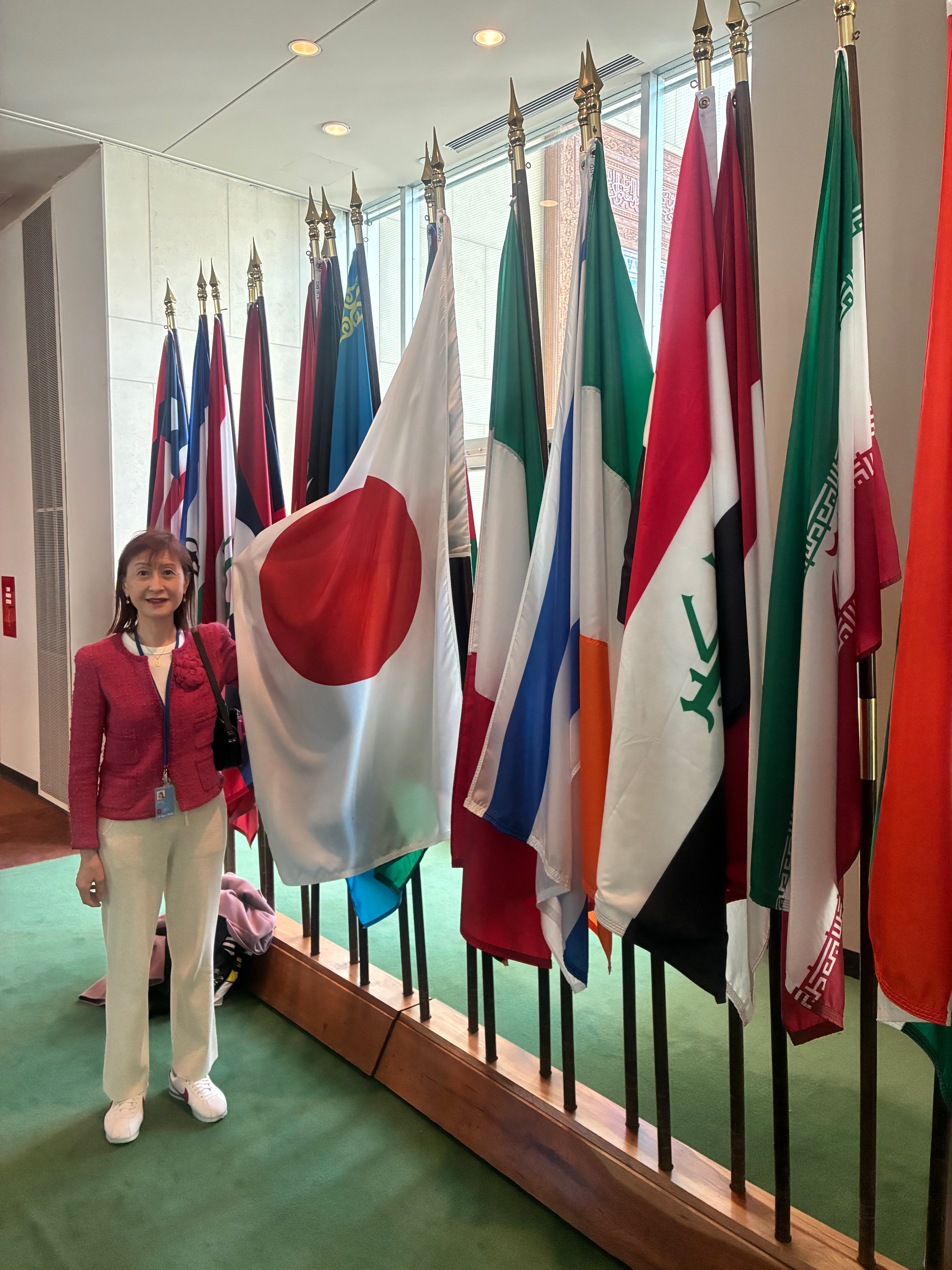
Fig 1. inside the United Nations building
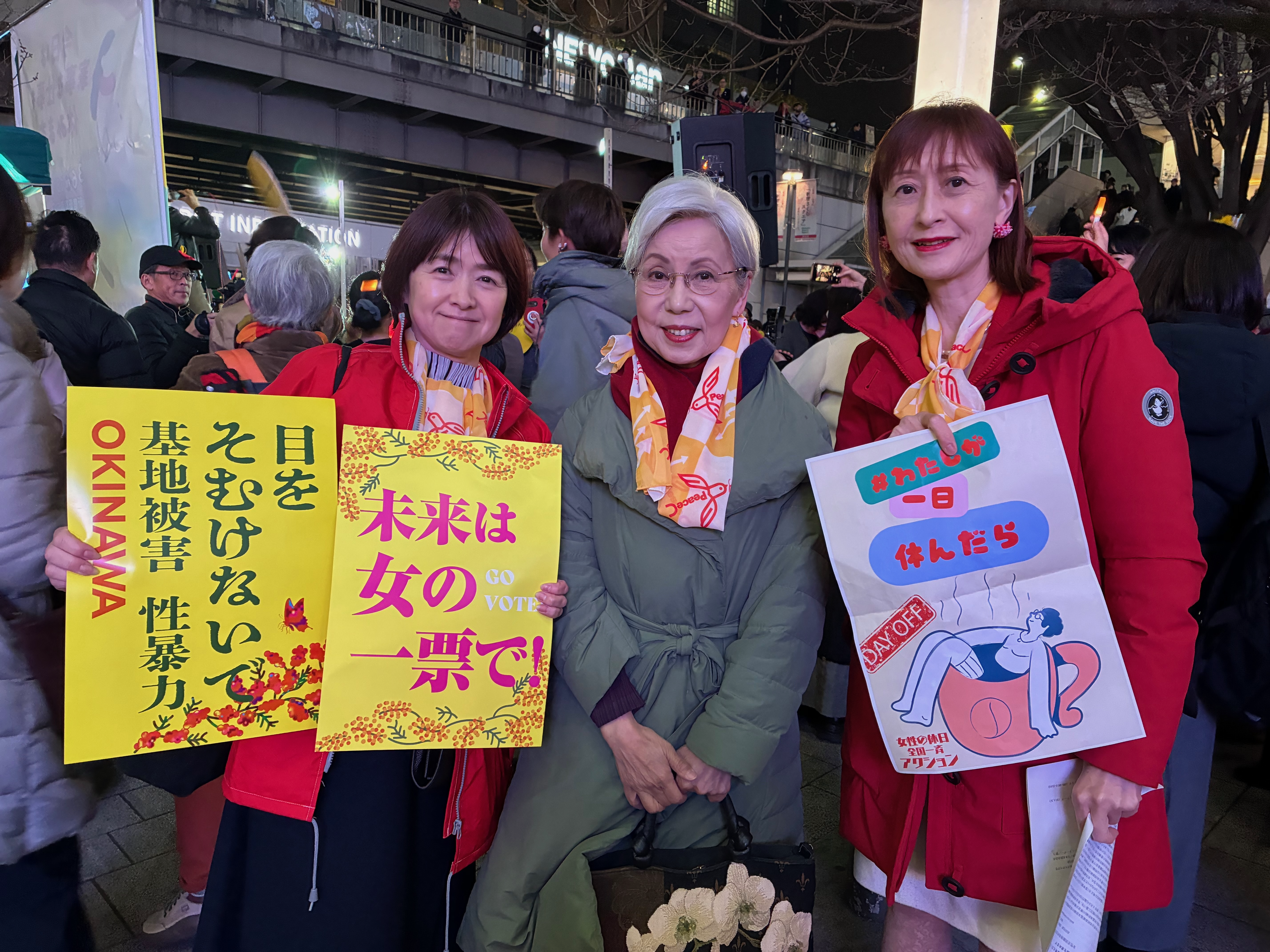
Fig 2. “Women’s Day Off” Action Standing